The Art of Doing Not-Much
Slow travel isn't lazy — it's a deliberate practice, and most people are terrible at it. A gentle guide to wasting time properly.
Guide · 9 February 2026 · 5 min read
There's a café in Plovdiv I went to every morning for a week. Corner table, newspapers I couldn't read, a man behind the bar who made coffee with the unhurried ceremony of someone who'd decided the world was adequately interesting and didn't need to be rushed along. I had no plan for any of those mornings beyond the coffee. Looking back, it was one of the better weeks I've spent anywhere.
I tell people this and they say: that sounds lovely, but we've only got nine days, so we're doing Athens, then Santorini, and there's a day trip we've already booked to—
And that's fine. Nine days, four cities, two ferry crossings, three sunsets photographed. I've done it. It's a particular kind of travel — efficient, photogenic, and roughly as nourishing as a bag of crisps eaten standing up on the way to somewhere else. You come home tired and slightly confused, with photographs of a place you were technically in.
Slow travel runs directly against the planning-brain's instincts, which are very good at filling a Tuesday and not remotely interested in letting one dissolve. That's why the right word is discipline.
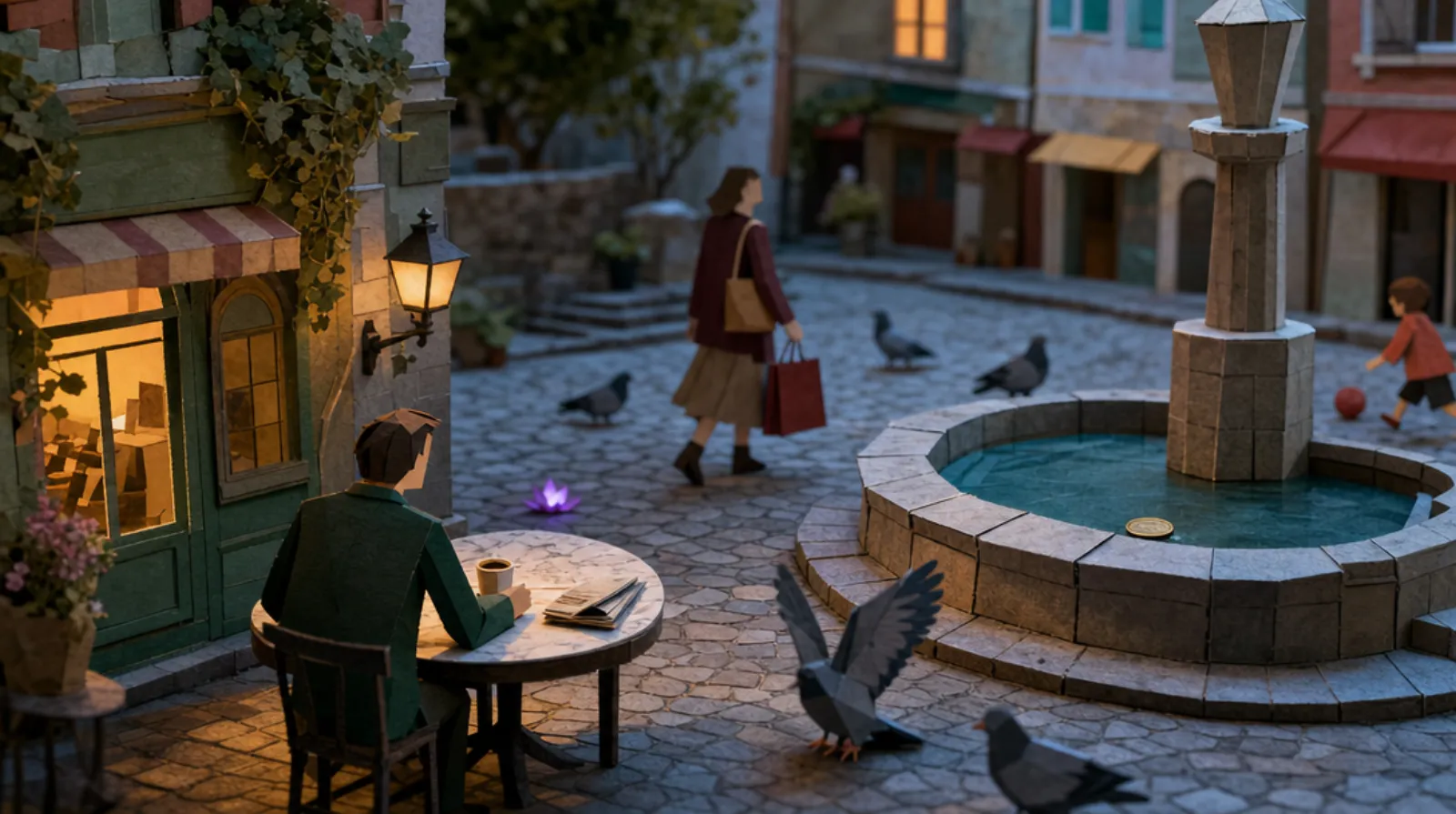
Stay until they recognise you
The first rule is to book more nights than feels reasonable.
Four nights instead of one. Then five. The first day you're still arriving, recalibrating to the light and the smell and the pace of things. Second day you're learning the street. Third day you find the place that isn't in any guide, and you go back to it. Day four is when the person behind the bar starts recognising you — and that's when it actually begins.
I spent three weeks in Lisbon once with a loose intention to see more of Portugal that gradually dissolved into a very specific daily rhythm: a particular padaria on Rua do Século in the morning, the Ribeira market on Saturdays, a practice of walking down to the Tagus each evening and watching it do nothing, which it does very handsomely. I saw almost none of the rest of the country. It was one of the best trips I've ever taken.
There's a version of travel that's a logistics exercise — the kind you manage with a good app and a series of 11am check-ins. That version reduces friction between you and the monuments, and there's a place for that. But there's a different thing that gets reduced when you optimise too hard: the chance encounter, the afternoon that wasn't in the plan, the conversation that starts because you were still sitting there when it could. Once you've processed the serendipity out, you're left executing an itinerary. Which is fine. It just isn't the same.
One anchor, no plan for the rest
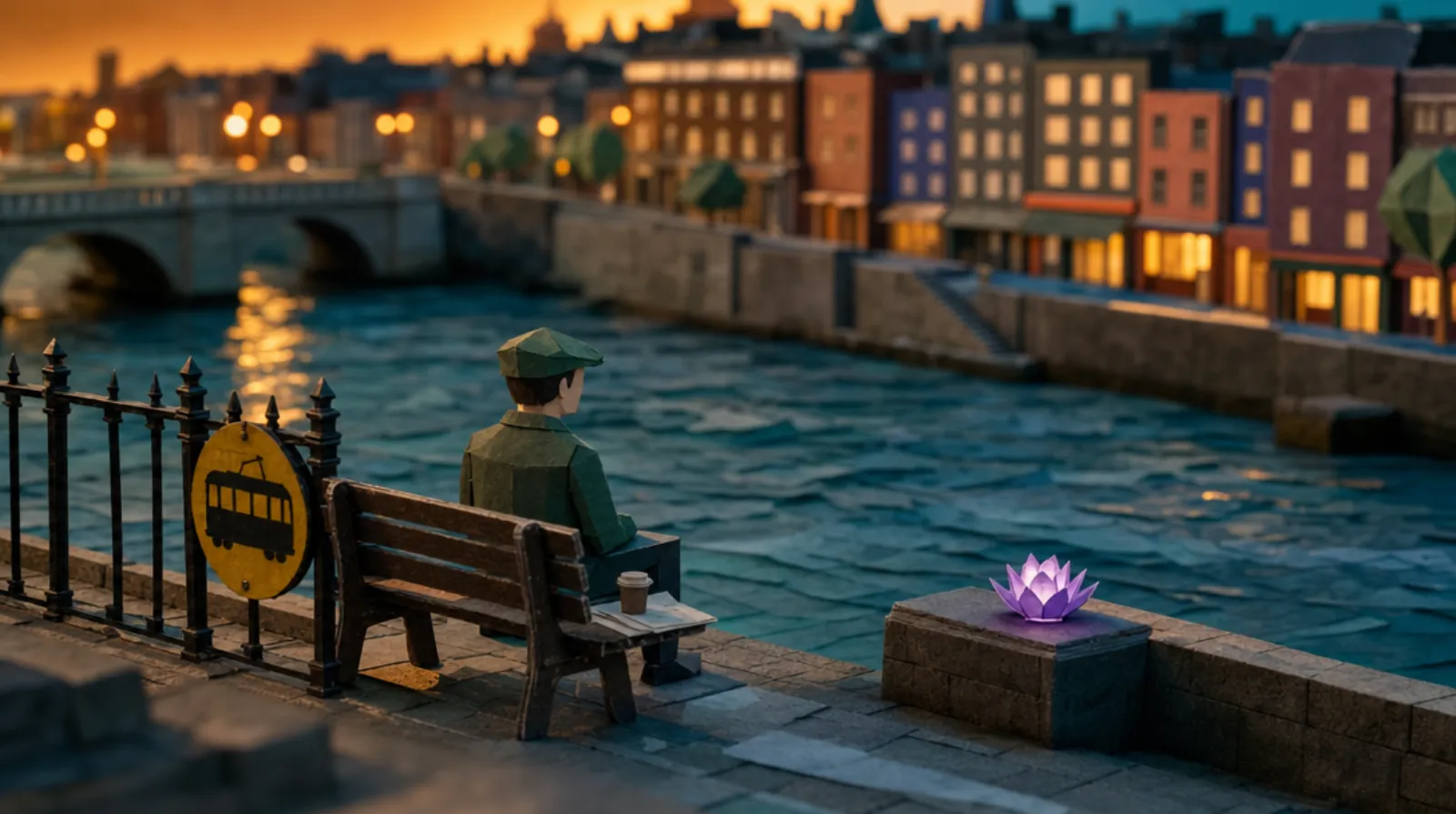
Every place needs an anchor — the café, the market, the bench by the river — and the agenda must be kept loose enough to dissolve on contact with anything interesting.
The anchor should be something local people also use. Something daily. When you're a fixture somewhere, things happen: the bartender mentions the Thursday market that doesn't show up online, the woman at the next table recommends her cousin's restaurant in the way that means you should definitely go. You do, and it's exactly what she said.
The blank afternoon is the other side of this. If Tuesday afternoon is scheduled, you've already missed whatever would have happened in it. The planning-brain reads vacancy as waste, as failure, as time that could have been spent ticking something off. This is a category error.
I've started thinking of it as the Camera Test: is there a moment here worth slowing down to actually see? That question only gets asked when you're not already running for the next ferry. The blank afternoon is the gap where the place gets to show you what it is, rather than confirming what you'd already decided from your laptop six months ago.
Talk to whoever's sitting nearest
The meal you'll still be describing three years from now is almost never the one the newsletter recommended.
I know. You're tired. You didn't come all this way to make conversation with strangers. But it's the shared table in the place you stumbled into because everywhere else had a queue — where the couple beside you turned out to be from somewhere you'd never have guessed, and someone ordered the wrong thing, and it was better, and the wine went to a second bottle and everyone stayed far too long.
Slow travel creates the conditions for this. When you're not rushing, you sit down. When you sit down, conversations start. When conversations start, the trip stops being a tour and starts being something that actually occurred.
Leave the afternoon empty and defend it
The most reliable practice in slow travel is to keep the afternoon clear, then actively defend it when the planning-brain starts circling with suggestions.
Mornings can have structure — the coffee, the market, a walk with somewhere approximate in mind. Evenings find their own shape. But the afternoon must be kept deliberately empty. Sleep. Read something you didn't bring for improving purposes. Buy something at a stall that you don't need and will have to post home. Let a good café hold you past the point where you've any business still being there.
None of this generates photographs you can do much with. But a year from now, you'll remember the afternoon more vividly — the unexpected conversation, the particular light — than the monument you ticked off in twenty minutes.
Grand, there's a cathedral. You can look it up.
The Plovdiv café man finished his shift at three. I stayed until four. Neither of us mentioned anywhere else I should be going.