Make It Badly First
You don't need a better plan. You need a worse first attempt — it only has to exist, because you can't make the second one without it.
Essay · 22 April 2026 · 5 min read
The first time I tried to paint — really tried, not the watercolours my cousins and I used to smear around on Sunday afternoons in Bogotá — I made something that looked like a traffic accident.
It was a weekend workshop in Cambridge. One of those flyers pinned to a corkboard near the graduate housing office, the kind you tear the little tab off the bottom of and feel faintly embarrassed about on the bus. I'd been in the city three months, studying, and I was in the grip of the particular loneliness of a new place where everyone seemed to already know the rules.
The instructor had us painting from a still life: a ceramic jug, some fruit, a cloth draped off the edge of the table. I stood at my easel and produced something that looked less like a jug and more like the concept of a jug as understood by someone who'd only ever heard jugs described.
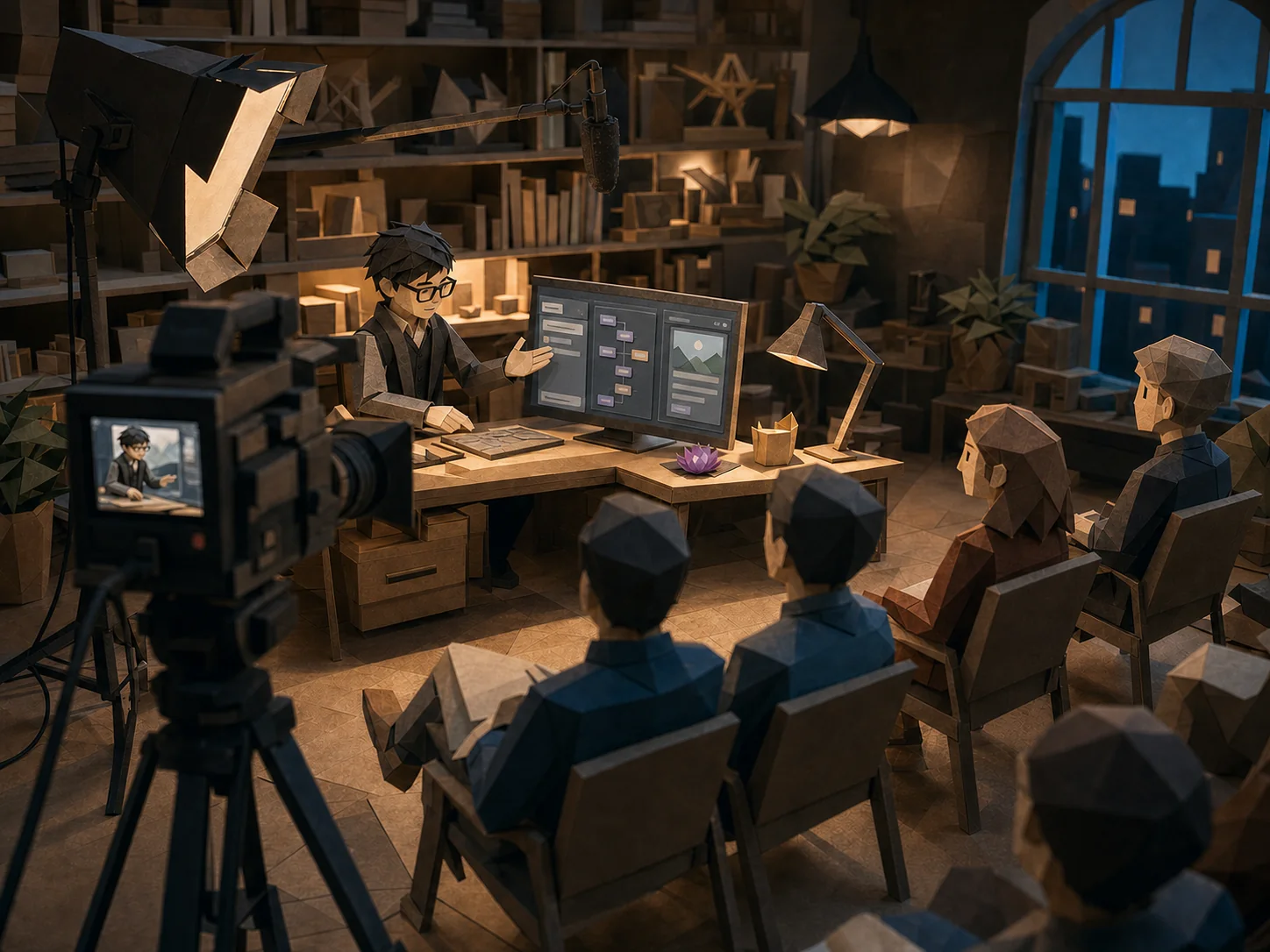
At the end of the session, the instructor walked the room. She stopped at my canvas, looked at it for a long moment — long enough that I started constructing the apology — and said: "Good. Now you've made your first one. It's out of the way."
I've been thinking about that sentence for fifteen years.
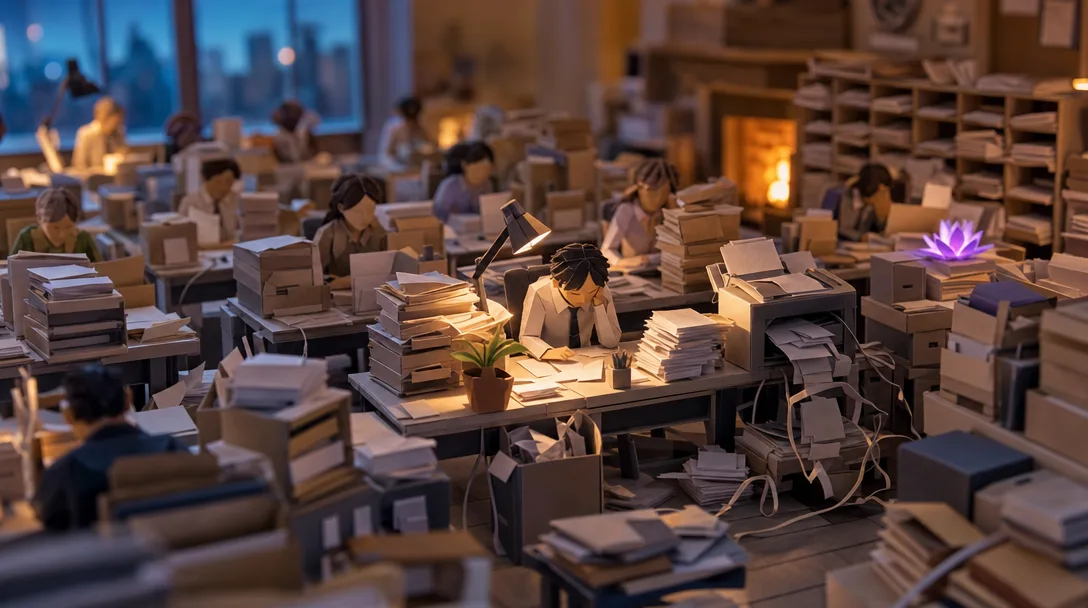
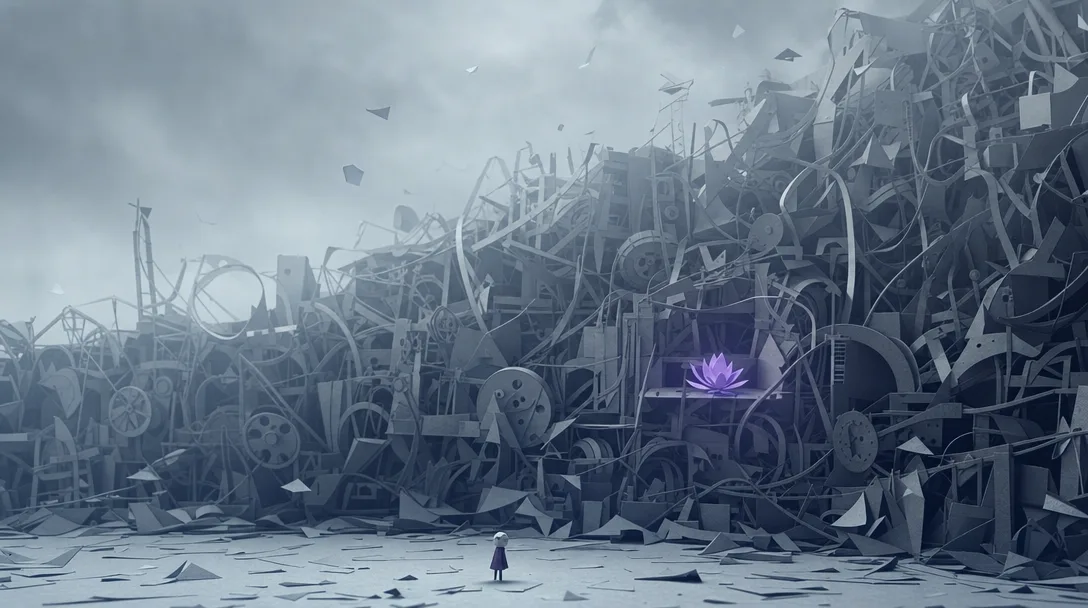
The blank page is a protection racket
The first attempt doesn't have to be good. It only has to exist.
This sounds obvious — until you're standing in front of it. Because the moment something real appears on the page, you can be judged. And before it appears, you can still be, in some theoretical sense, brilliant.
We protect the idea of our potential by not testing it.
I've watched people sit in workshops for an hour — workshops they came to specifically to make something — and produce nothing. Not because they lacked ideas. Because they were waiting until the idea was good enough to survive contact with paper. The blank page isn't frightening because we have nothing to put on it. It's frightening because putting something on it is how we find out what we're actually capable of.
That verdict feels very final. It isn't — but the feeling doesn't care.
She found the sentence she couldn't find
You can't find the right sentence by waiting for it. I watched a thirteen-year-old in Bogotá discover this in forty minutes of very still silence.
I was running a writing workshop at a secondary school in the south of the city — a neighbourhood that didn't have much cushion for things going wrong. The kids there, when they didn't understand something, didn't pretend. They'd simply stop, look up, and wait.
There was a student — I'll call her Ana — who spent the first forty minutes doing nothing. She'd written her name and the date at the top of the page, then sat very still, staring at it.
I asked what she was waiting for.
"The right first sentence," she said.
I told her to write the wrong one. Right now. Any sentence. Write it and cross it out if she hated it — but put something on the page and then look at what she'd made.
She wrote: "My grandmother's house smells like onions and the inside of a memory."
She looked up with the expression of someone who'd accidentally done something they didn't expect to be able to do. We both knew that wasn't the wrong first sentence. But she couldn't have found it any other way. She had to put something on the page first — something she could react to, push against, improve.
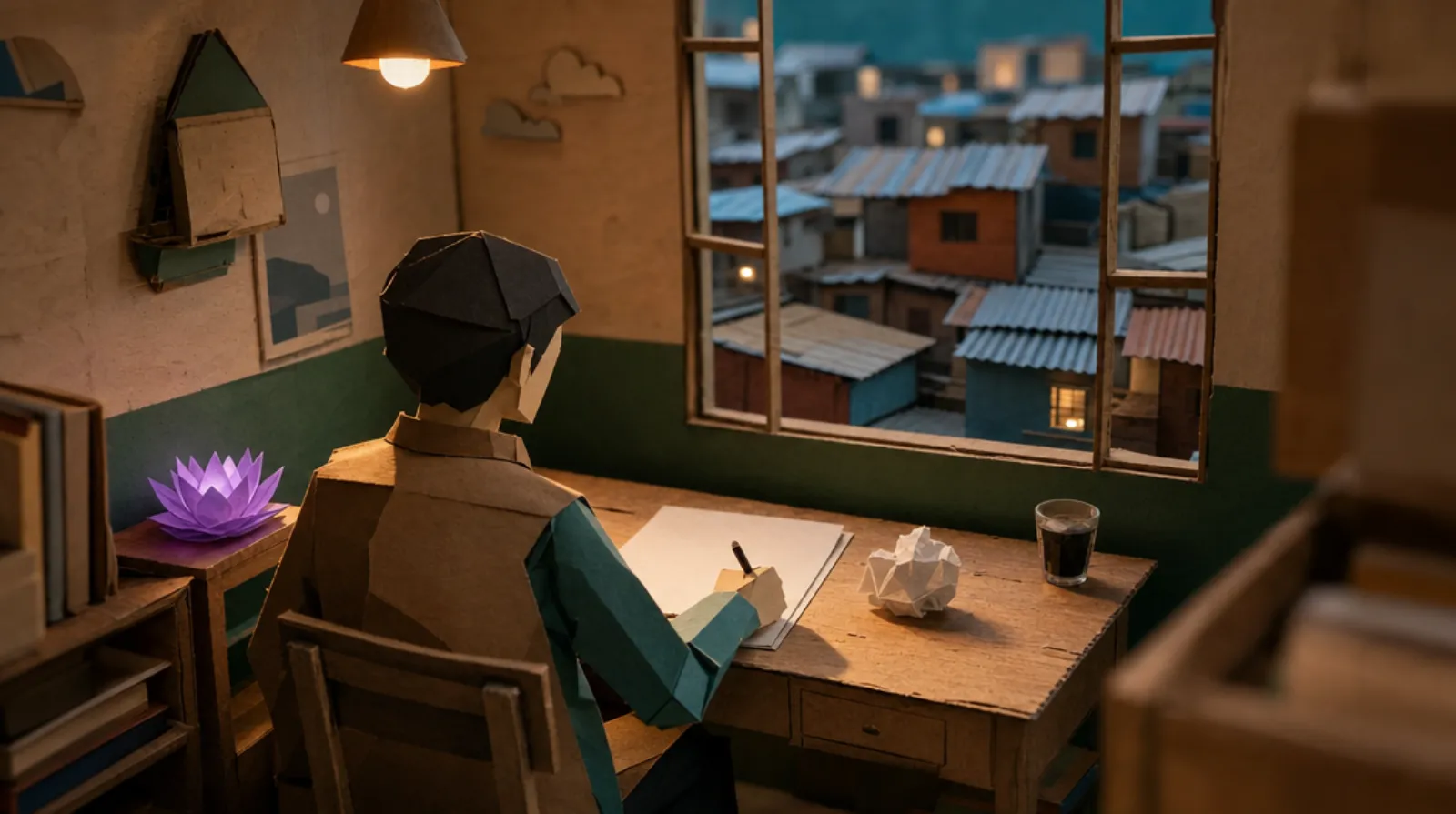
Badly on purpose is not the same as carelessly
Badly on purpose is a decision to begin despite your standards. Carelessly is giving up before you start. They look similar. They're not.
Badly on purpose means: I am going to make something real right now, and I am not going to let my standards obstruct my starting. You still care. You care enough to put something down even when it's wrong. You trust that the act of making something, looking at it, and making something else — not waiting — is how the good work eventually arrives.
Anne Lamott, in Bird by Bird, has a chapter called "Shitty First Drafts." It's the most useful thing I've ever read about making anything. Her point: the writers you admire don't sit down and produce clean, finished prose. They produce something terrible and then fix it. The terrible version is not evidence of failure. It's the raw material without which nothing decent can exist.
Mira — the bad first attempt does several things at once. It gives you something to push against. It proves to your nervous system that nothing catastrophic happened when you started. It occupies the space previously held by anxiety. And sometimes — not always, but often enough — it turns out to be less bad than you expected.
Get the first one out of the way
The second attempt is usually better. But you can't make it without the first.
That terrible painting from Cambridge is still in my flat. I kept it on purpose. Sometimes, when I'm about to start something and the waiting reflex kicks in, I look at it. It reminds me what it cost to make the first one.
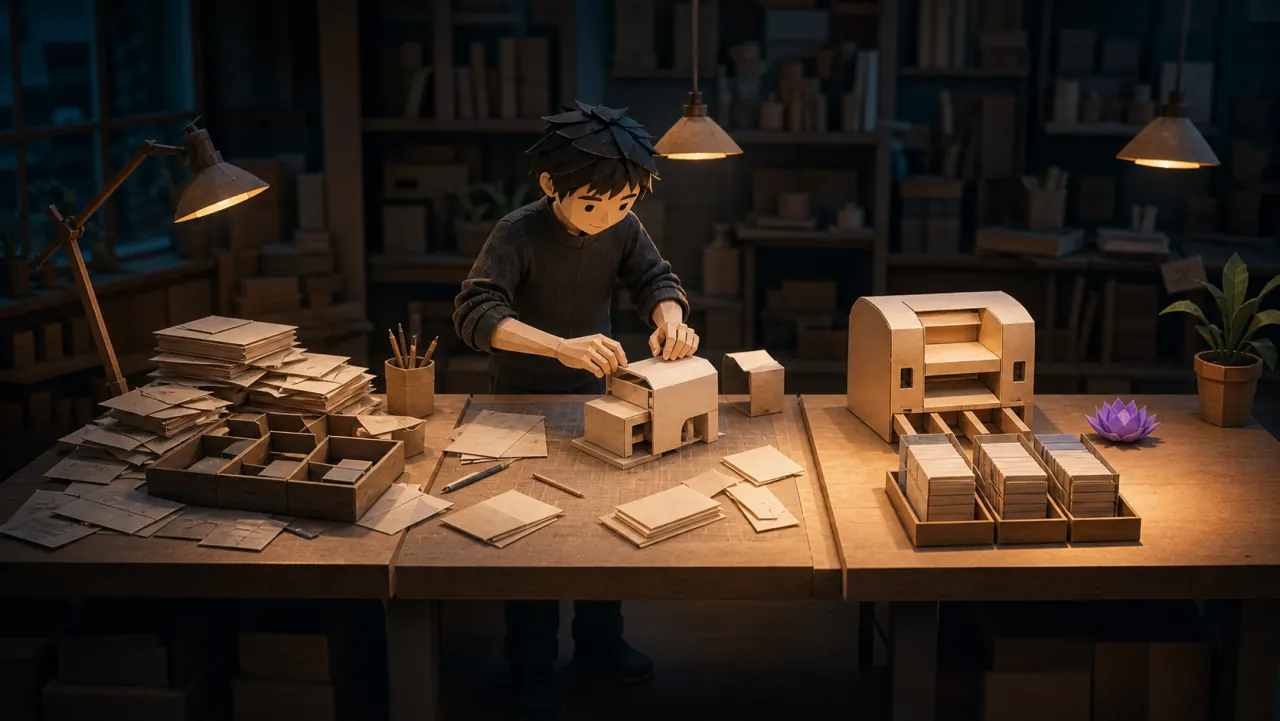
Make the ugly sketch. Write the clumsy paragraph. Play the song badly, alone, with the door closed. Build the rough prototype in the wrong materials. The bad first attempt does not diminish the work that follows. It makes the work possible.
Your instructor is waiting to walk the room. Give her something to stop at.