The Relationship That Actually Holds You
Not the aspirational version from someone else's feed — the specific, slightly messy one that's genuinely yours. How to build it.
Guide · 22 January 2026 · 6 min read
The couple in the flat above mine has a Sunday morning habit I know without having been invited to witness it. Coffee grinding, around half past eight. Then a long quiet. Then two sets of footsteps moving toward what I've decided is the window that faces the canal. They stay there for most of an hour. Then the footsteps drift back, and the morning starts sounding more ordinary.
I've said hello to them in the stairwell three times. I don't know their names. But I know that window. I know that quiet. And I know what it means that they've kept it — week after week, through whatever a year and a half of a shared life actually contains.
This is what I mean when I say a relationship holds you. Not the big conversation. Not the framework. The specific, unglamorous, consistently kept thing that belongs entirely to them.
Most of what gets written about relationships looks in the wrong place — at the design, the carefully reasoned structures, the aspirational version assembled from someone else's life. The holding doesn't come from that. It comes from the specific one. And the specific one almost always has a physical address.
The small repeated things are the whole story
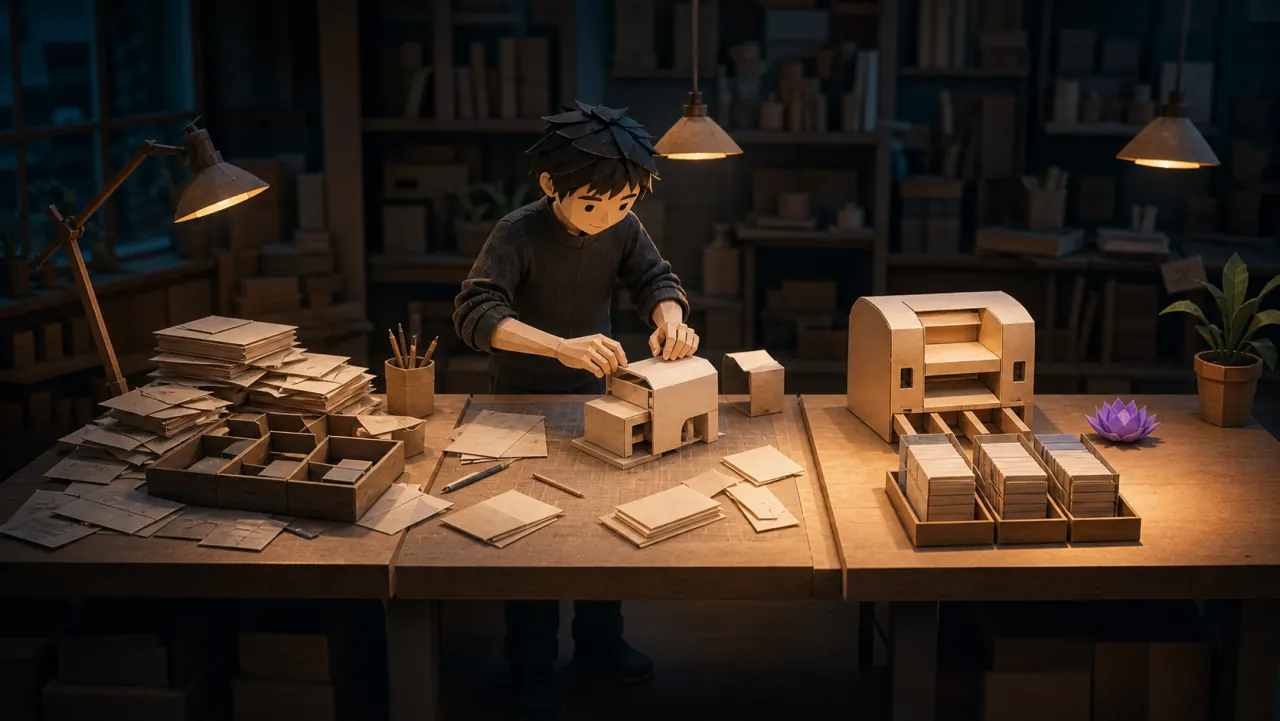
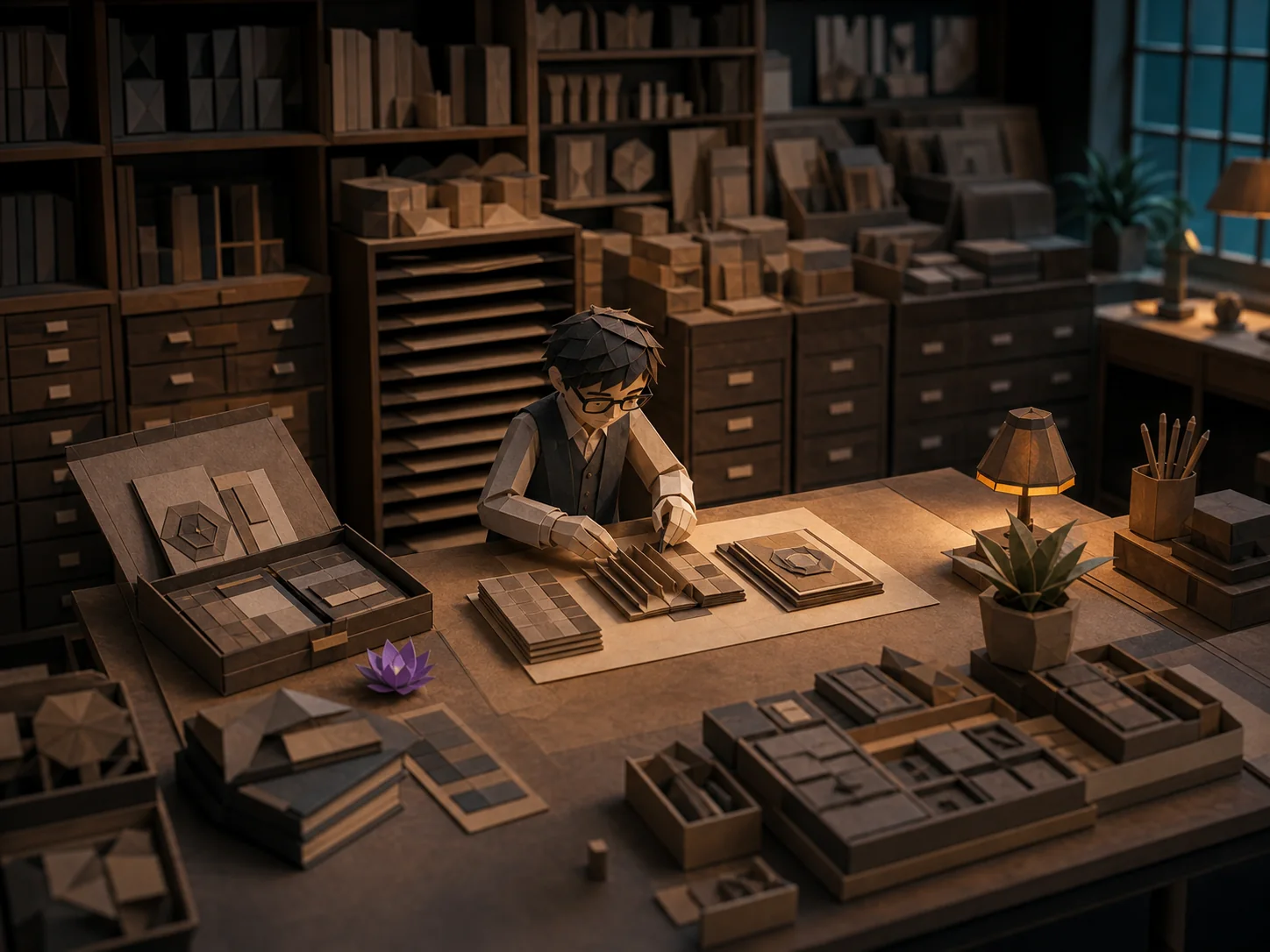
The relationships that last have a texture entirely their own, and you can read most of it in the physical space the people share.
I've spent the better part of my working life going into people's homes — not to discuss furniture, but to understand what the space is holding. The tell I look for, when I want to understand how a relationship is actually doing, isn't the art on the wall or the quality of the light. It's where warmth has accumulated and where it's thinned.
Bell hooks, in All About Love, wrote that love is an action, never simply a feeling.
Mi abuela would not have put it that way. But she tended her home in Oaxaca the way she tended the people in it: same attention, same gestures, fifty-three years. The altar reset every week. The pot kept clean. The table set the same way every morning. Not for herself. So the house would know who it held.
The home is not the backdrop for the relationship. It is the relationship — its physical form, its accumulated evidence.
In practice, this is what specific looks like: you have a restaurant that is yours — not because it's the best one in the city but because you went there after something difficult and again when something good happened, and now it carries both. You have a partner who loads the dishwasher in a way you find quietly maddening and wouldn't trade. A friend who has come to sit in the same chair for years and worn a slight compression into the cushion. A child who insists on the same song every night, the same one more glass of water, the shoes left in exactly the same position inside the door.
These things are not incidental. They are the whole story.
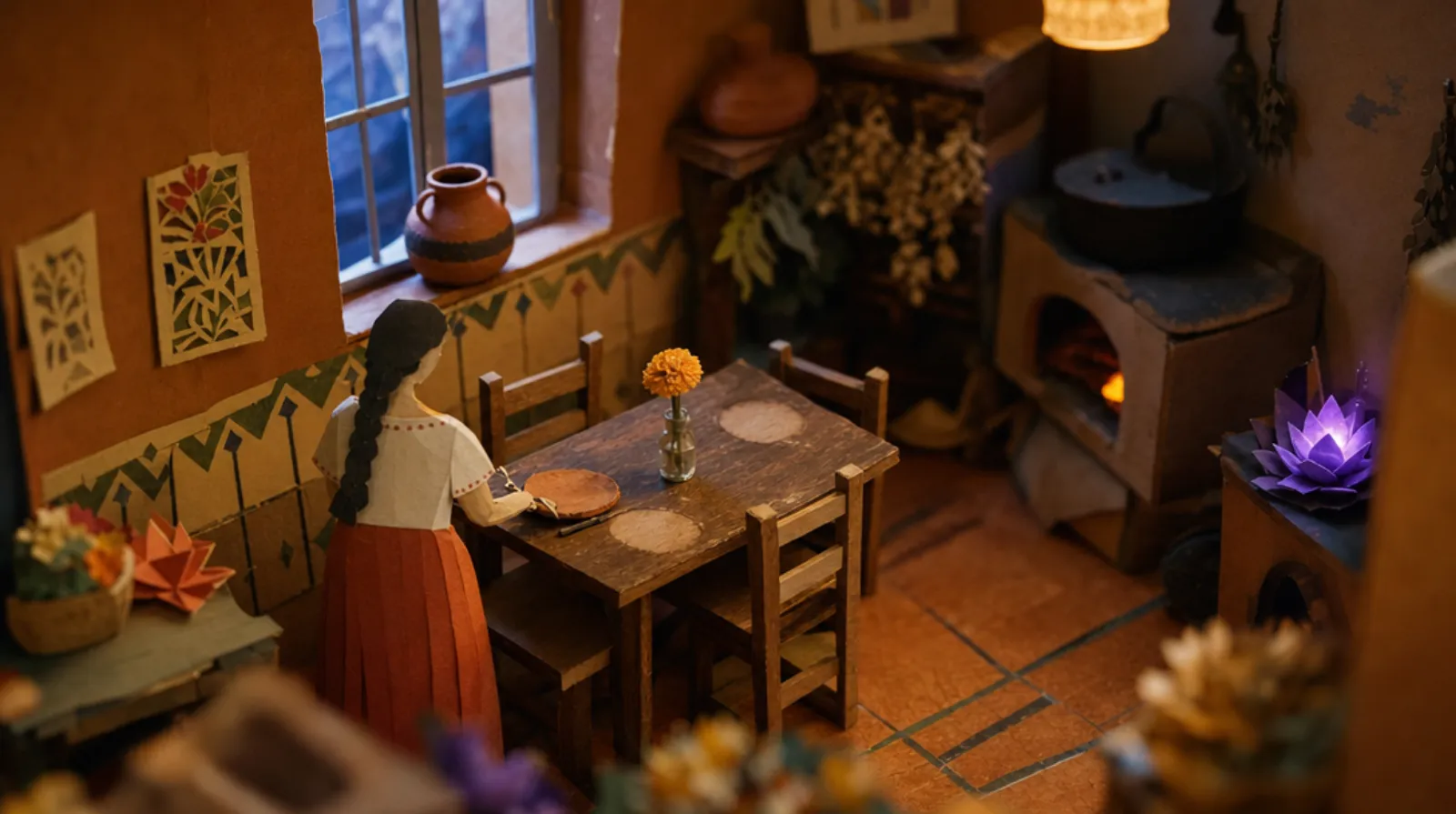
The space tells you what the words won't.
Borrowed warmth doesn't transfer
The aspirational version is available now in extraordinary supply: photographs of how a relationship should feel, frameworks for the conversations you should be having, guides to building the shared rituals that will bring you closer. Some of it is genuinely useful. Most of it is someone else's specific, wearing the costume of a universal truth.
I had a relationship once that looked right from the outside — the rituals were in place, the communication was careful, the apartment arranged with real care — and felt slightly hollow from the inside. I stayed in that hollowness longer than I want to say before I understood what was missing. The relationship was decorated, not tended. We had all the right furniture. We hadn't made the table ours.
All the furniture. None of the warmth.
So here is where the question actually shifts. This is not about finding better practices. It's about whether the practices you have grew from who you actually are, or from who you've decided you should be. You can pick up other people's habits. You can't pick up other people's warmth.
The Sunday canal window works for the couple above me because it grew from them. I don't know how it started — maybe one of them suggested it without thinking and the other came, and then the next Sunday they both just knew to come again. It accumulated into something real. Into the kind of thing I know about two people whose names I don't know.
Specificity also means knowing what you're not. My Sundays are alone — the plants, the flat winter light, several hours of quiet and writing. Not the aspirational version of anything. Still holds.
The trap is wanting someone else's specific thing because it looks right from the outside. You can read it in a home almost immediately: the routines adopted wholesale but not yet lived into, the vocabulary of another relationship spoken carefully in this one, a space arranged to reflect an idea rather than a life.
What the room already knows
If you want to understand how a relationship is doing, don't start with the conversation. Start by looking at the physical space it's living in.
Ingrid Fetell Lee, in Joyful, argues that our environments accumulate into emotional states without our quite knowing it — small sensory things adding up until a space either lifts you or quietly diminishes you. The same accumulation happens inside a relationship. What gets tended tells you what's being valued. What gets left tells you something else.
The question I ask in the first session is not what you want your home to look like. It's whose life you're actually living in it. Whose things have been unpacked and whose are still in boxes two years on. Which corners of the apartment nobody goes to anymore. Where warmth has settled and where the space has quietly been left.
A relationship that is genuinely tended shows in a home. Not in the way it looks — in the way it's been used. The compression in the cushion. The corner where someone always reads. The shelf rearranged to make room for something new. A physical record of small decisions made continuously, in the direction of another person.
It also needs maintenance that can read its own season. Some periods want more presence — more shared mornings, more sitting in the same room without a purpose. Some need more room — more separate hours, more silence that doesn't have to be explained. The problem with aspirational relationship content is that it tends to give you one fixed version of attentiveness when the real version has to keep reading what's actually in front of it.
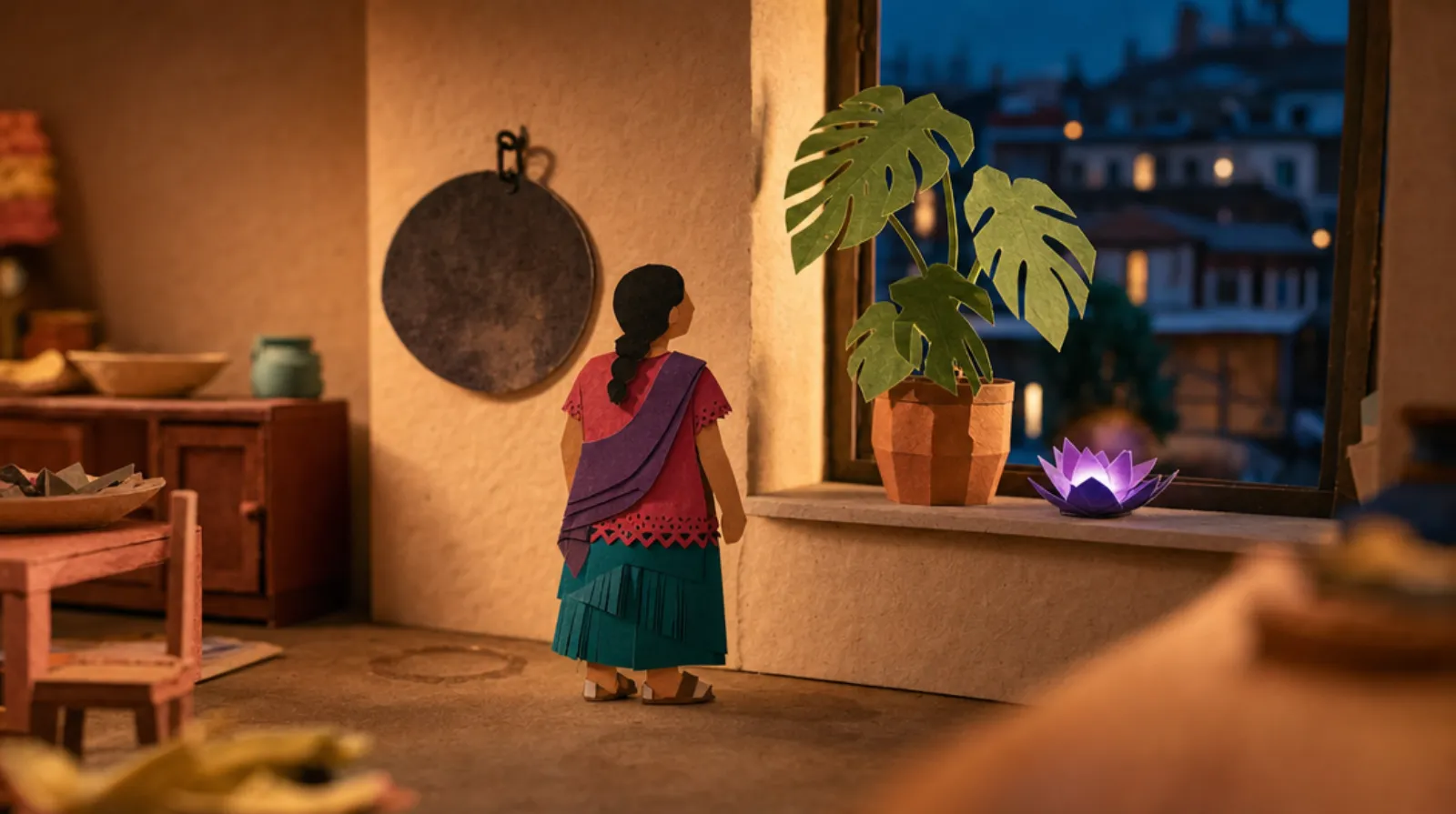
The plant on the windowsill tells you when it needs moving.
The person across the table does too.
---
The couple above me will be there again next Sunday. Same window. Same quiet. I don't think they call it a practice. I don't think they need to. They found a thing that held, and they've kept showing up to it.
Sin altar, no hay hogar — without an altar, there is no home — mi abuela used to say. She meant: you have to make something physical. You have to tend it, with your hands, in the same place, for a long time.
The relationship that holds you is the one you've kept arriving at.
You probably already know which one that is.